


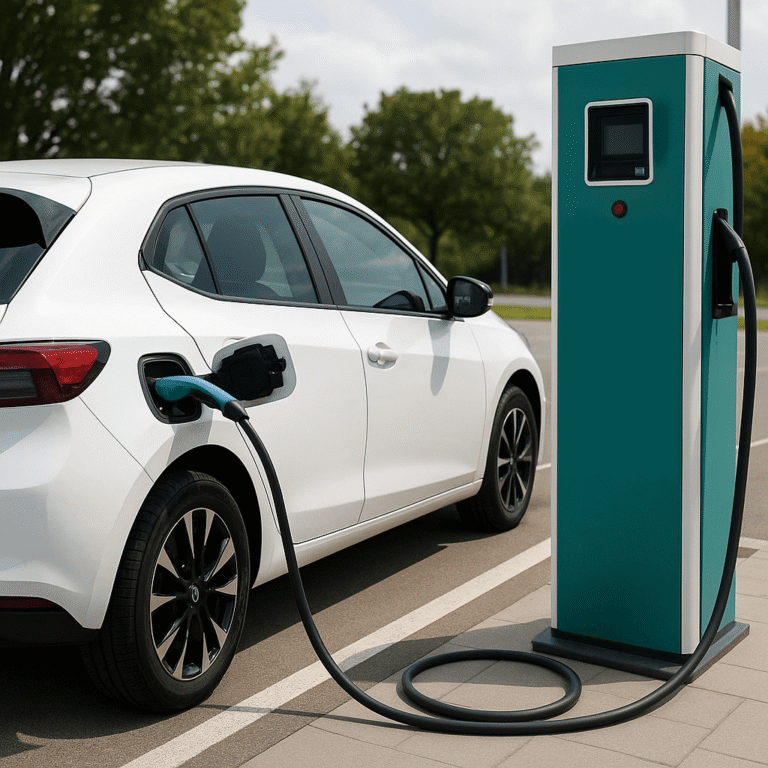
Smart Energy
The Interoperability Advantage: Aligning with Smart Grid Standards
One of the major challenges for utilities and vendors in grid transformation is the interoperability of communications with DER and DR resources – Solar, Storage, EVs, Loads. These resources are becoming a critical component of the modern electrical system and the only way to scale their integration is the adoption and implementation of standardized communications and products. That’s where QualityLogic comes in. We are the leader in creating interoperable eco-systems around industry standards for DERs and DR communications. We train, advise, and create the test tools for implementing these eco-systems.
Trust the Interoperability Experts
Team Education
Get your team up to speed on emerging smart grid standards like OpenADR 2, IEEE 2030.5, CA Rule 21 CSIP, SAE J3072, IEEE 1547.1, and others. QualityLogic has trained thousands of people around the world in OpenADR 2, IEEE 2030.5, CA Rule 21 CSIP, and others.
Standards Maturity
The QualityLogic team can help you assess the maturity of smart grid standards you are considering. Selecting the right smart grid standard that fits your needs can be challenging and we are here to help. This ensures informed decisions about specifications, development, and implementation plans.
Test Tools
Get the state of the art test tools that are being used globally by national labs, vendors, utilities, and research labs to verify conformance and certify smart inverters and demand response systems, such as IEEE 2030.5/CSIP, IEEE 1547.1, and OpenADR products
Added Confidence For Your Buyers
QualityLogic works with industry alliances, NRTLs, national labs, and consortiums to design, develop and support test tools for certification programs for smart grid standards.
Smart Energy Market Challenges
The Smart Energy industry has made an impressive start, with standards that promote product interoperability. But deciding on technology standards is only the beginning. You’ll face some daunting challenges:
- Understanding how to benefit from a standard and ensuring it improves your value-add
- Training your team to develop, specify and/or acquire products based on specific standards
- Assessing the maturity of various standards so you can avoid orphaned or obsolete implementations as standards evolve
- Designing implementation processes to ensure interoperability of products from multiple vendors
- Accelerating development and deployment of products while ensuring interoperability
However, these challenges can be overcome with the right testing and training from QualityLogic. View the labs that are performing CA Rule 21 CSIP, IEEE 1547.1, Wi-SUN, and OpenADR certification testing by using QualityLogic’s test tools, and see products that have passed IEEE 2030.5 Conformance Testing.
Supporting all Aspects of Your Smart Energy Development
QualityLogic’s industry-leading test tools, training, and consulting services are major contributors to standards and certification program development for smart energy products. Our test tools certify and ensure interoperability of software products and devices used in automated demand response (ADR), integration of distributed energy resources (DER), and substation automation (DA).
- Use QualityLogic’s expert consulting services to accelerate adoption of emerging smart grid technologies.
- Learn the ins and outs of smart grid standards with our comprehensive training for developers and implementers.
- Get a full range of test tools and services for OpenADR 2.0 from the official test tool and training partner of the OpenADR Alliance.
- Get the only approved IEEE 2030.5 and IEEE 1547.1 test tools and related services that help you get compliant products to market faster.
- QualityLogic’s Test Tools are essential components of how test labs conduct their official certification testing. These test lab partners are the leading global smart grid testing and certification labs.
Free Webinars
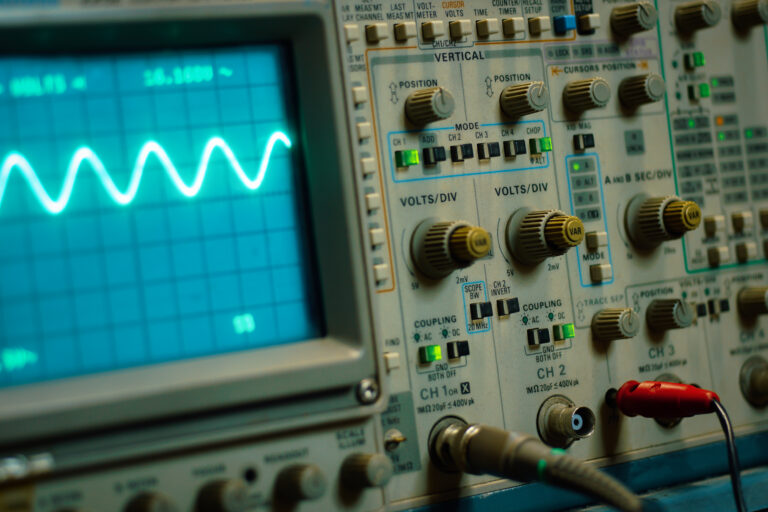
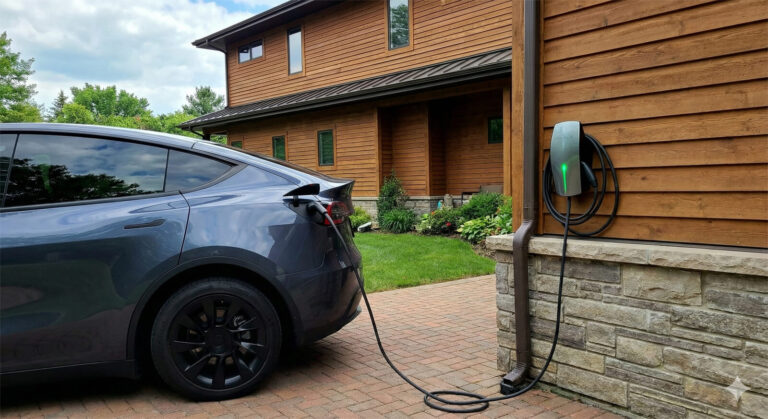
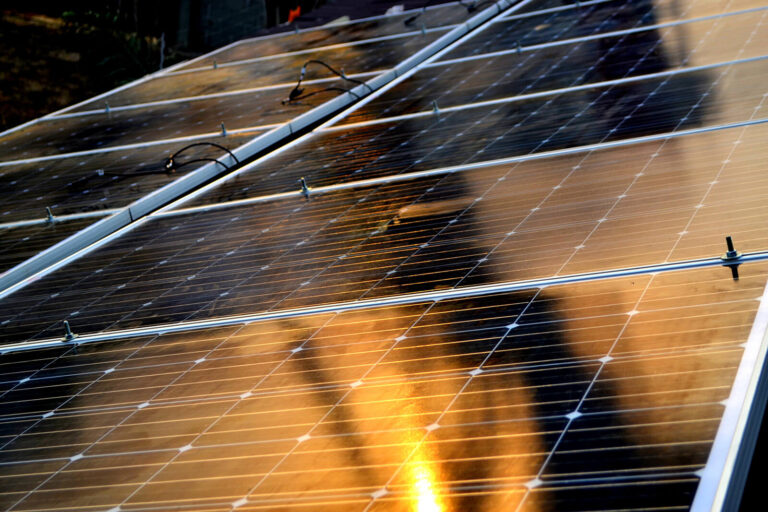
OpenEGrid reached an important milestone in Sep 2019 when the industry’s first certified IEEE 2030.5 CSIP compliant OpenEGrid Gateway was announced and QualityLogic had been instrumental in providing us a test platform in realizing this goal.
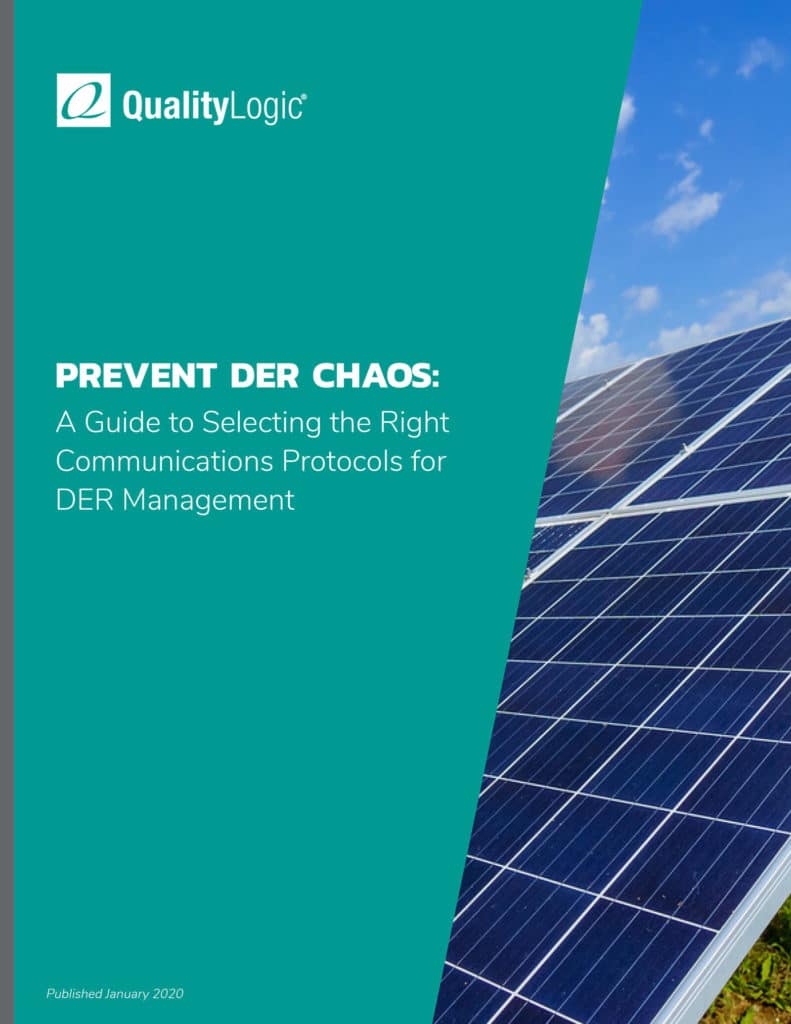
Preventing DER Chaos
Trying to understand which protocol – OpenADR, DNP3, IEEE 2030.5, or IEEE 1547.1 – is right for your application?
Developing and supporting test tools for DER protocols provides us an unparalleled knowledge of both the technologies and eco-systems working with the technologies.
So we thought we’d put that knowledge into a protocol selection guide.
Discover why so many companies and labs rely on QualityLogic for our smart energy expertise.
From industry-leading test tools to training on the complexities of IEEE 2030.5, 1547.1, OpenADR and other DER protocols, we are here to help your lab, utility, or consultancy. Contact us today.
Smart Energy News
-
Blogs/Events
UL 1741 SC: What It Takes to Certify the Bidirectional Charger Behind AC Vehicle-to-Grid
Vehicle-to-grid (V2G) lets an EV battery push energy back to the grid instead of only pulling from it. In the…
Read More -
Blogs/Events
V2G Standardization and Grid Codes: Certification Testing is not Optional
Vehicle-to-grid (V2G) turns an EV battery from a load into a grid asset, and the moment a vehicle can export…
Read More -
Blogs/Events
Webinar: End-to-End V2G Interoperability
What It Will Actually Take for Real V2G Interoperability? (June 11, 2026) 152 vehicle-to-grid pilots have been publicly reported worldwide.…
Read More -
Videos / Webinars
Webinar: Automating 1547.1 Compliance
End-to-End DER Testing with Integrated Oscilloscope Measurements (May 14, 2026) Manual IEEE 1547.1 / UL 1741 SB certification testing is…
Read More